
By Darin Gaub
Understanding Personnel Recovery and Combat Search and Rescue in the military: it’s a national strategic mission and is resourced accordingly.
The world watched, fascinated, as America recovered two pilots isolated behind enemy lines in Iran. Television screens were filled with pundits or veterans discussing everything from SERE school to the impact of the successful recovery of both pilots on ceasefire negotiations. I was one of those pundits who helped fill the airwaves, conducting over 20 interviews across multiple networks, and being the first guest to talk about the recovery on Fox News within minutes of the Pentagon confirming it.
There were those with a wealth of knowledge and experience who stood out for their demonstrated expertise in the language of Personnel Recovery (PR) and Combat Search and Rescue (CSAR), while some clearly did not know the topic. At the bottom of this article is a list of my specific qualifications that allow me to write about this topic as an expert.
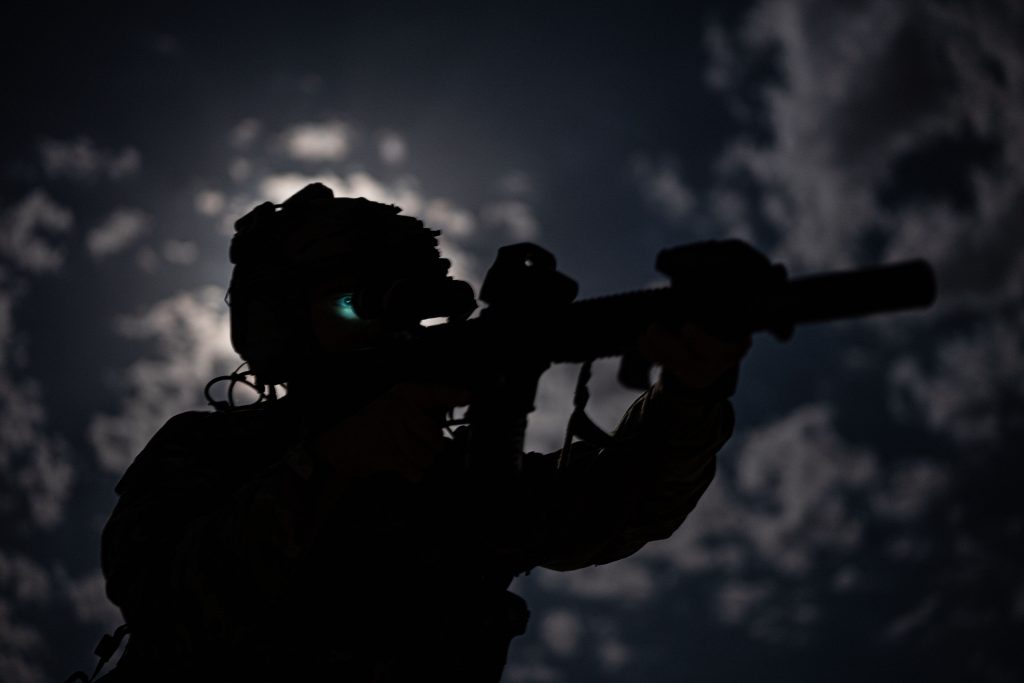
I am certain a movie and a book will result from this incredible story. But I thought I would provide some basic knowledge about the military PR/CSAR system and why it is so important not only for recovering isolated individuals (mission No. 1), but also for our national security. I will also briefly discuss aspects of PR/CSAR from the isolated person on the ground to the overall system embedded in the military and across the government.
This article will be short because much of what goes into preparing individuals, staffs, and a nation for this mission cannot be shared publicly. I can only ask that you trust me when I say there is more I can’t share than I can. For those who’ve been through some of the training, you know how much I have left out.
First, recovering our own and demonstrating a fulfilled promise are national security successes for the United States.
- An all-volunteer force needs to recruit and retain the best people. If we are to attract the best and brightest into the uniformed services, they must be able to trust the chain of command and the entire military. If we only say we will leave no one behind, but fail to follow through on that promise, we’d become a second-rate military, and our national security would suffer.
- Many specialties in the military are voluntary once in uniform. Army aviation and all forms of special operations forces are examples. Aviators of all branches and special operations forces are also at the highest risk of becoming isolated on the battlefield. If we did not seek to train every person at High Risk of Isolation (HRI) effectively or exhaust all means to recover those who become isolated or go missing, the volunteers could stop coming.
- The bottom line is, if we don’t fulfill our promises as a nation, we risk not having the greatest military ever.
- The world watched what we are capable of as the recovery occurred. It sent a message that cannot be ignored. We are capable, willing, and unmatched by any force on earth.
What follows are some key points from different levels of the PR/CSAR-focused world. Personnel Recovery is the big umbrella, and Combat Search and Rescue is a tactic under it. I use them interchangeably, as most are familiar with CSAR as an acronym.
Isolated Person
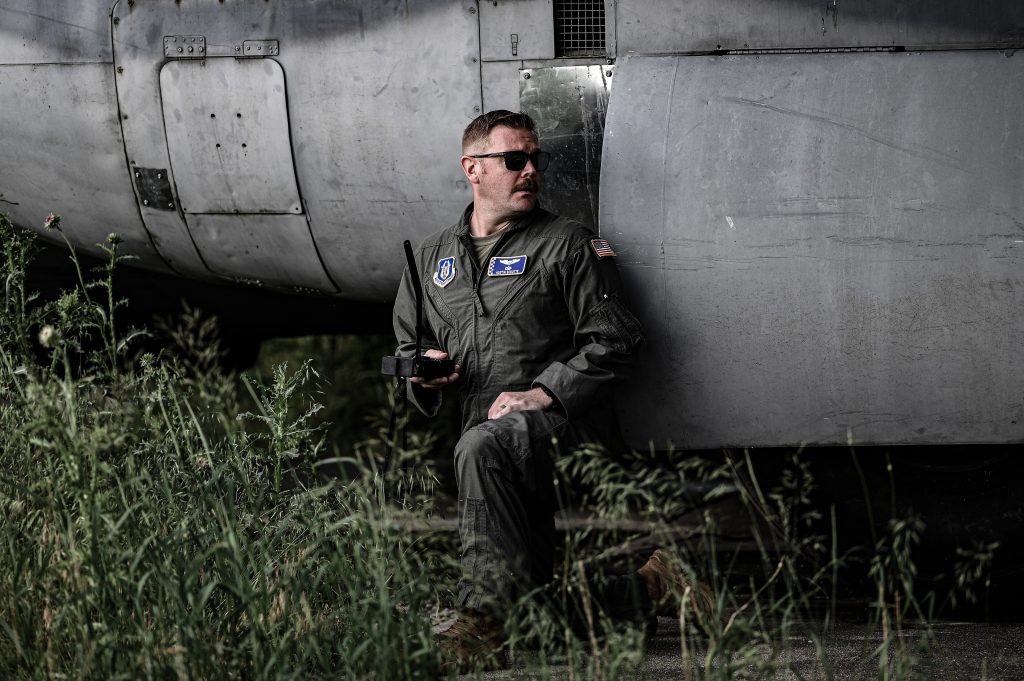
Service members at a higher risk of isolation undergo some form of survival and evasion training. There are different levels, and the highest level I will discuss is SERE-C. In this training, a person learns survival skills, how to evade capture, and, if captured, how to resist interrogation and escape from captors. It is difficult training, but it is world-class. I’ve trained hundreds of air and ground personnel in many of the same skills.
Special Operations Forces (SOF)
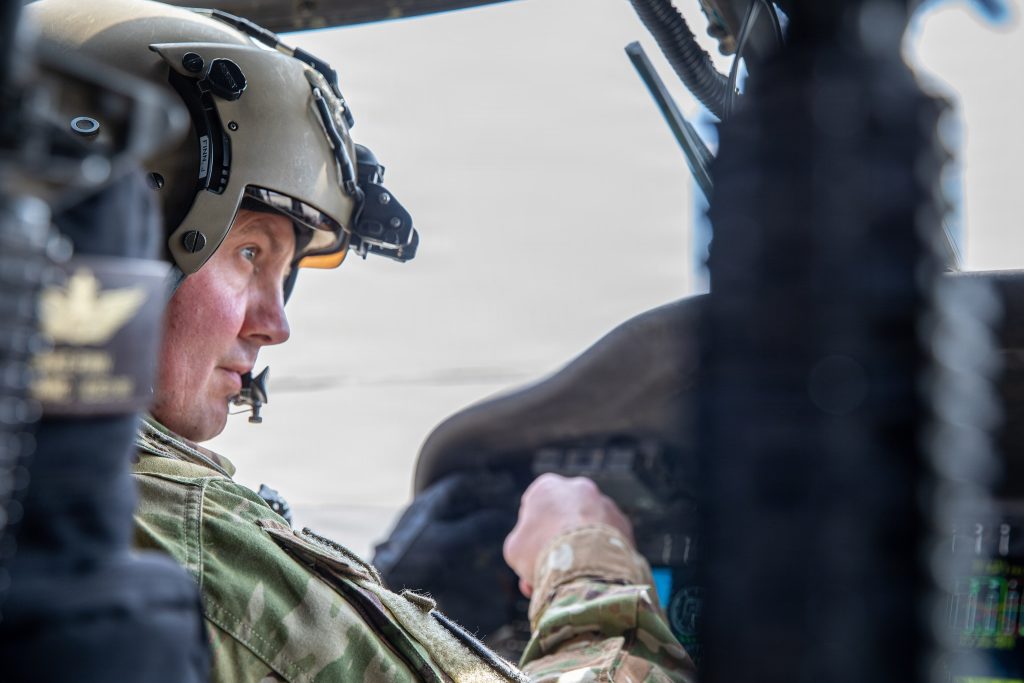
SOF are trained in SERE-C and in other specialized schools due to the nature of their work. They are also experts in tasks specific to the recovery of isolated personnel, and members of their staffs attended the same schools I attended to ensure they were plugged into the larger PR structure, from space-based capabilities to other government agencies (OGA). Combined with their superb combat skills, this makes SOF perfect for these missions. The U.S. Marine Corps also has many highly trained personnel perfect for this kind of mission. I attended SERE-C with Navy and Marine Corps aircrew and special operations personnel. I also attended U.S. Army SERE-B as part of my assignment as a UH-60 Black Hawk helicopter pilot.

Aircrews
Some aircrews go through rigorous, specialized training in the tactics and techniques of PR/CSAR. I’ve been through the training and numerous exercises as well. The U.S. Air Force pararescue teams and pilots operating the Pave Hawk helicopter and its internal systems are the most highly trained in the field of all the service branches. The pararescue teams have extensive medical training, a critical difference from other aviation assets. Special Operations aircraft and crews from other services are highly trained and capable as well, but they conduct several other missions besides PR/CSAR.
The Pave Hawk crews are dedicated to this mission set and little else. However, they have been used for medical evacuation missions in Iraq and Afghanistan when it was necessary.
The A-10 Warthog crews go through extensive training to become “Sandy” qualified pilots. This means they are qualified to conduct tasks specific to PR/CSAR missions. They are the ones who “lead” aircrews like mine to the isolated person’s location on the ground. They are much more than just lethal top cover; they are experts at the specific tasks for a successful recovery mission. I’ve trained and flown in multi-aircraft live-fire exercises with these crews, and it is also world-class training for everyone involved. Shout-out to the Maryland Air National Guard here for the training they conducted with my unit at Fort Drum, New York.
Staffs
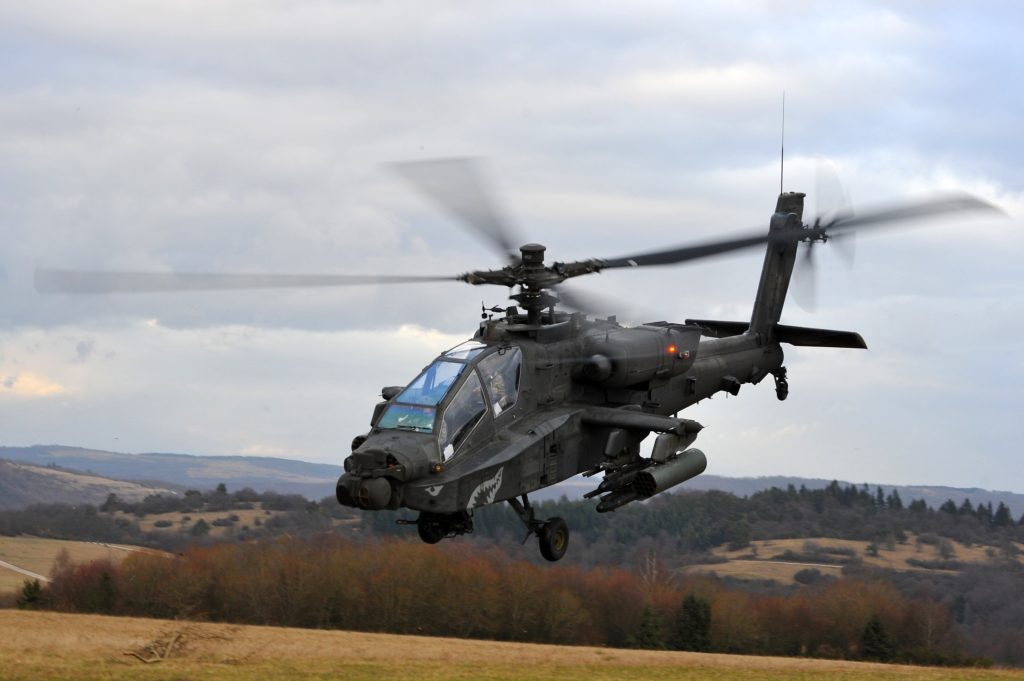
At the National Training Center in California, I trained over thirty Army brigade staffs and some Marine Corps staffs on specific requirements for PR/CSAR missions. Each training event included the Air Force and, at times, the Navy. The training included the plans and likely actions of evaders, how to conduct searches, and how to quickly pass the most critical information to higher headquarters to answer time-sensitive questions.
At some point, the information about an isolation event makes its way to a Joint Personnel Recovery Center, or JPRC. Reports can originate from lower-level headquarters and be forwarded to a JPRC, or they can be delivered directly to the JPRC via other communication systems or methods.
It was also important, when training staff members, that they understand the size and capabilities of a theater-level PR/CSAR plan, so they could see how rapid reporting would trigger the activation of several capabilities of both the military and other U.S. Government agencies. Those who watched the news closely during this recent rescue were given a small taste of this when the CIA acknowledged its involvement.
The System
What is important to know is that there is an entire system dedicated to recovering isolated personnel on the battlefield. Years of training are dedicated to making every part of this complicated system work, and it works full-time around the world in peacetime and in conflict.
This time, it was an F-15E crew; if there is a next time, it could be special operations personnel or the crew from another airframe. In Iraq and Afghanistan, it was often our warfighters in Infantry or Armor units who were captured during a firefight. They are all given the same support. When Bowe Bergdahl was captured in Afghanistan, the Brigade to which he was assigned was one I had trained. They called the National Training Center and stated that the training they received was what enabled them to react as well as they did, despite their inability to recover him quickly.
Americans should know that the phrase “Leave No One Behind” is not just a statement; it’s a way of life embedded across the military and other government agencies.
Those of us who have been in the PR/CSAR world for years have trained hard for a mission we hoped we would never have to execute in real life.
Some now have, and Americans should be extremely proud.
My Schools, Qualifications, and Experience:
- Army SERE-B.
- Navy/Marine Corps SERE-C.
- Intelligence Support for Personnel Recovery
- Non-Conventional Assisted Recovery Plans and Operations
- High Risk of Isolation Instructor Certification (Central Command) [Central Command is the Middle East]
- Personnel Recovery Plans and Operations Course
- Personnel Recovery Debriefers Course
- Personnel Recovery Reintegration Team Chief Responsibilities
- Space Operations Qualification
- Personnel Recovery Trainer from the individual to the Army Division/Corps level. (National Training Center, Fort Irwin, California)
- Specialized Instruction
- Joint training with aviation assets from other services, such as “Sandy” qualified A-10 Warthog pilots
- Black Dart exercises (Drone stuff)
- Real-world experiences over my years in combat zones, including getting blown up by an RPG while flying in Afghanistan
_____________________________
Lieutenant Colonel (Retired) Darin Gaub is a Senior Strategic Analyst, Black Hawk helicopter pilot and commander, and author of VERITAS VINCIT. He spent more than twenty years training military forces in drone operations, counter-drone tactics, and Combat Search and Rescue. He is a frequent guest on Fox News, NTD News, Newsmax, and Canadian TV news, and his writing has appeared in The Epoch Times, Armed Forces Press, RealClearPolitics, and RealClear Defense. You can also follow his latest analysis and commentary on Substack at daringaub.substack.com.
As the Voice of the Veteran Community, The Havok Journal seeks to publish a variety of perspectives on a number of sensitive subjects. Unless specifically noted otherwise, nothing we publish is an official point of view of The Havok Journal or any part of the U.S. government.
Buy Me A Coffee
The Havok Journal seeks to serve as a voice of the Veteran and First Responder communities through a focus on current affairs and articles of interest to the public in general, and the veteran community in particular. We strive to offer timely, current, and informative content, with the occasional piece focused on entertainment. We are continually expanding and striving to improve the readers’ experience.
© 2026 The Havok Journal
The Havok Journal welcomes re-posting of our original content as long as it is done in compliance with our Terms of Use.


