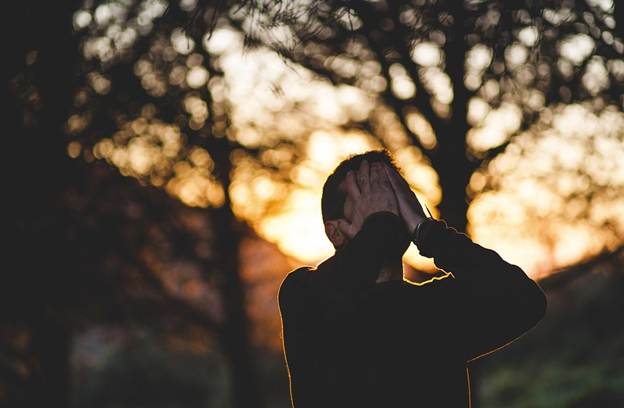
Going through a scary or shocking event can leave you feeling shaken for a long time. It is normal for your mind and body to react in ways that feel strange or overwhelming. Healing takes time, but you do not have to get through this alone.
Understanding Your Emotional Response
Shock and denial are often the first things people feel after a crisis. You might feel numb or like the world around you is not quite real. These feelings are your brain’s way of protecting you from too much pain at once.
Anger and sadness often follow as the initial shock wears off. You might find yourself snapping at loved ones or crying without a clear reason. One health organization suggests that accepting your feelings is a key step toward recovery. Fighting your emotions can sometimes make the internal pressure feel even heavier.
Exploring PTSD Treatments
Professional support can make a major difference in how you process your memories. Many people find success by looking into alternative PTSD treatments to find what fits their needs. Talking to a professional provides a safe space to share things you might not want to tell friends.
- Try deep breathing exercises to calm your nerves.
- Write in a journal to get thoughts out of your head.
- Spend time with supportive friends or family members.
- Avoid using alcohol or drugs to numb the pain.
Managing Your Daily Environment
The things you see and hear can change how you feel throughout the day. Constant updates on news sites or social media can keep your stress levels high. Limiting your media exposure helps your nervous system settle down.
Focusing on small tasks can help you feel more in control of your life. When the world feels chaotic, sticking to a simple routine provides a sense of safety. Try to eat at regular times and get enough sleep to help your body heal.
Moving Your Body to Heal
Physical activity is a powerful tool for shifting your mood and energy. You do not need to run a marathon to see the benefits. Simple movement can help break the feeling of being stuck in a stress response.
Research indicates that getting moving is a top tip for coping with traumatic stress. Even a short walk around the block can lower your heart rate. Physical movement helps release the pent-up energy that often stays in the body after a scare.
Connecting With a Support System
Isolating yourself might feel tempting when you are struggling. You might think that others will not understand or that you are a burden. Reaching out to others is actually one of the fastest ways to feel better.
A recent public health update mentioned that the most important thing to remember is that help and support are available. Sharing your story with someone you trust can take the weight off your shoulders. Connection reminds you that you are still part of a community.

Focus on what you can control today rather than worrying about next month. Every bit of effort you put into your well-being counts. You have the strength to move forward and rediscover your sense of safety in the world.
Buy Me A Coffee
The Havok Journal seeks to serve as a voice of the Veteran and First Responder communities through a focus on current affairs and articles of interest to the public in general, and the veteran community in particular. We strive to offer timely, current, and informative content, with the occasional piece focused on entertainment. We are continually expanding and striving to improve the readers’ experience.
© 2026 The Havok Journal
The Havok Journal welcomes re-posting of our original content as long as it is done in compliance with our Terms of Use.


