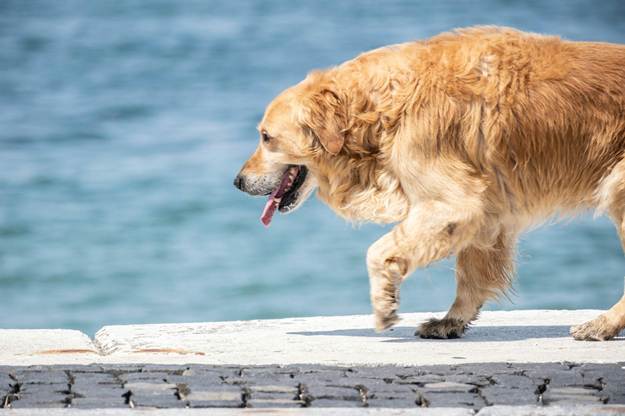
Caring for a large dog brings a distinct set of responsibilities, especially when age, injury, or illness begins to affect mobility. Unlike smaller breeds, large dogs face greater physical strain on joints, muscles, and supporting structures, making recovery and adaptation more complex. For owners, this shift often comes unexpectedly, requiring fast decisions about care, equipment, and long-term quality of life. Mobility challenges are not just physical issues; they affect behavior, independence, and the emotional bond between dog and owner.
As these challenges develop, the focus shifts from treatment alone to sustainable support. Ensuring that a large dog can still move safely and comfortably becomes central to maintaining dignity and daily function. Understanding how mobility solutions integrate into everyday life is key to making informed decisions that balance practicality with compassion.
The Physical Realities of Large-Breed Mobility Loss
Large dogs experience joint stress at a significantly higher level due to their weight and structure, which accelerates wear on hips, knees, and spine. Conditions like hip dysplasia, arthritis, and ligament injuries are more common and often progress faster than in smaller breeds. When mobility begins to decline, it is rarely a gradual inconvenience; it becomes a limiting factor in basic activities such as standing, walking, and even maintaining posture.
This creates a cascade of secondary issues, including muscle atrophy, reduced circulation, and increased risk of pressure sores. Without proper intervention, a once-active dog can quickly become sedentary, which further accelerates decline. Addressing mobility early is not just about restoring movement but about preventing a broader deterioration in physical health.
Adapting Daily Routines for Changing Capabilities
As mobility decreases, daily routines must evolve to accommodate new limitations. Simple tasks such as going outside, navigating stairs, or getting up after resting can become challenging or even dangerous. Owners often need to redesign living spaces, adding non-slip surfaces, ramps, or supportive bedding to reduce strain and prevent injury.
These adjustments are not merely logistical; they reshape the rhythm of everyday life. Feeding times, exercise routines, and even sleep patterns may need to shift to align with the dog’s new capabilities. By adapting the environment rather than forcing the dog to adapt beyond its limits, owners can maintain a sense of normalcy while reducing physical stress.
The Role of Assistive Mobility Devices
Mobility devices play a crucial role in bridging the gap between limitation and independence. For large dogs, these devices must be specifically designed to handle weight distribution, stability, and long-term durability. The goal is not to replace natural movement but to support it in a way that minimizes strain and prevents further injury.
This becomes clearer when evaluating solutions like https://walkinpets.com/ in practical use, where structural design directly impacts how effectively a dog can regain movement. Properly fitted equipment allows dogs to re-engage with their environment, restoring not just mobility but also confidence and behavioral stability.
Psychological Impact of Reduced Mobility
Mobility loss affects more than just the body; it alters a dog’s mental state. Dogs that were once active and independent may become withdrawn, anxious, or frustrated when they can no longer move freely. This behavioral shift is often misunderstood as aging alone, when in reality it reflects a loss of autonomy.
Reintroducing movement, even with assistance, can significantly improve mood and engagement. Dogs that regain the ability to explore their surroundings often show increased alertness and social interaction. This highlights the importance of addressing mobility not only as a physical necessity but as a component of emotional well-being.
Owner Responsibility and Decision-Making
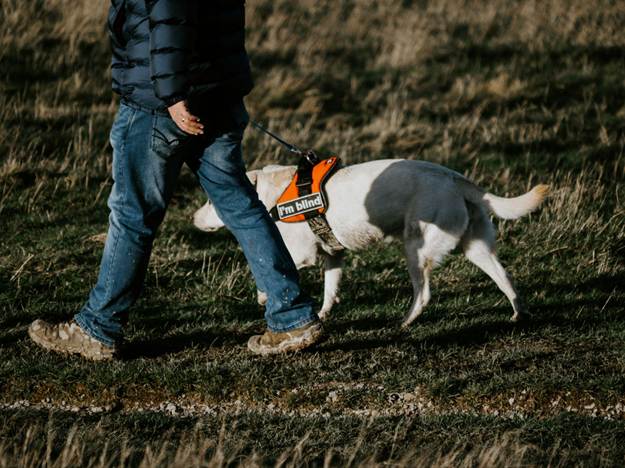
Caring for a large dog with mobility issues requires informed and proactive decision-making. Owners must evaluate options based on the dog’s specific condition, weight, and lifestyle rather than relying on generalized solutions. This includes understanding when to intervene, what type of support is appropriate, and how to integrate it effectively into daily routines.
The complexity of these decisions often increases with the dog’s size, as improper support can lead to additional injuries. Investing time in research and proper fitting is essential, as poorly chosen equipment or delayed intervention can worsen the condition. Responsibility in this context means anticipating needs rather than reacting to decline.
Veterinary Guidance and Evidence-Based Care
Veterinary input plays a central role in managing mobility challenges, particularly for large dogs with chronic conditions. Professional assessment helps determine the underlying cause of mobility loss and guides the selection of appropriate interventions. This may include physical therapy, medication, weight management, and assistive devices.
Research from organizations such as the American Veterinary Medical Association highlights that maintaining mobility is a critical factor in preserving overall health and longevity in aging pets. Their guidance emphasizes early intervention and consistent support as key strategies for preventing rapid decline. Incorporating veterinary recommendations ensures that care decisions are grounded in evidence rather than assumption.
Long-Term Maintenance and Monitoring
Supporting a large dog’s mobility is not a one-time adjustment but an ongoing process. As conditions evolve, so must the approach to care. Regular monitoring of movement patterns, comfort levels, and physical condition is necessary to identify changes early and adjust support accordingly.
Maintenance also includes ensuring that any assistive devices remain properly fitted and functional over time. Wear and tear, changes in weight, or progression of the condition can all impact effectiveness. A consistent approach to monitoring and adjustment helps sustain mobility and prevents setbacks that could compromise recovery or stability.
Balancing Independence and Safety
One of the central challenges in managing mobility issues is finding the balance between independence and safety. While it is important to allow a dog to move freely, this must be done within a controlled and supportive framework to prevent injury. Over-restriction can lead to frustration, while excessive freedom without support can cause harm.
Achieving this balance requires careful observation and gradual adjustments. Owners must learn to recognize signs of fatigue, discomfort, or instability and respond accordingly. By creating an environment that encourages safe movement, it becomes possible to preserve independence without compromising well-being.
Redefining Quality of Life for Large Dogs
Mobility challenges often force a reassessment of what quality of life means for a large dog. It is no longer defined solely by activity levels but by comfort, engagement, and the ability to participate in daily interactions. A dog that can move with assistance, explore its surroundings, and remain socially connected can still experience a fulfilling life.
This perspective shifts the focus from limitations to possibilities. Instead of viewing mobility loss as an endpoint, it becomes a transition that requires adaptation and support. With the right approach, large dogs can continue to live with dignity and purpose, even in the face of physical challenges.
Buy Me A Coffee
The Havok Journal seeks to serve as a voice of the Veteran and First Responder communities through a focus on current affairs and articles of interest to the public in general, and the veteran community in particular. We strive to offer timely, current, and informative content, with the occasional piece focused on entertainment. We are continually expanding and striving to improve the readers’ experience.
© 2026 The Havok Journal
The Havok Journal welcomes re-posting of our original content as long as it is done in compliance with our Terms of Use.


