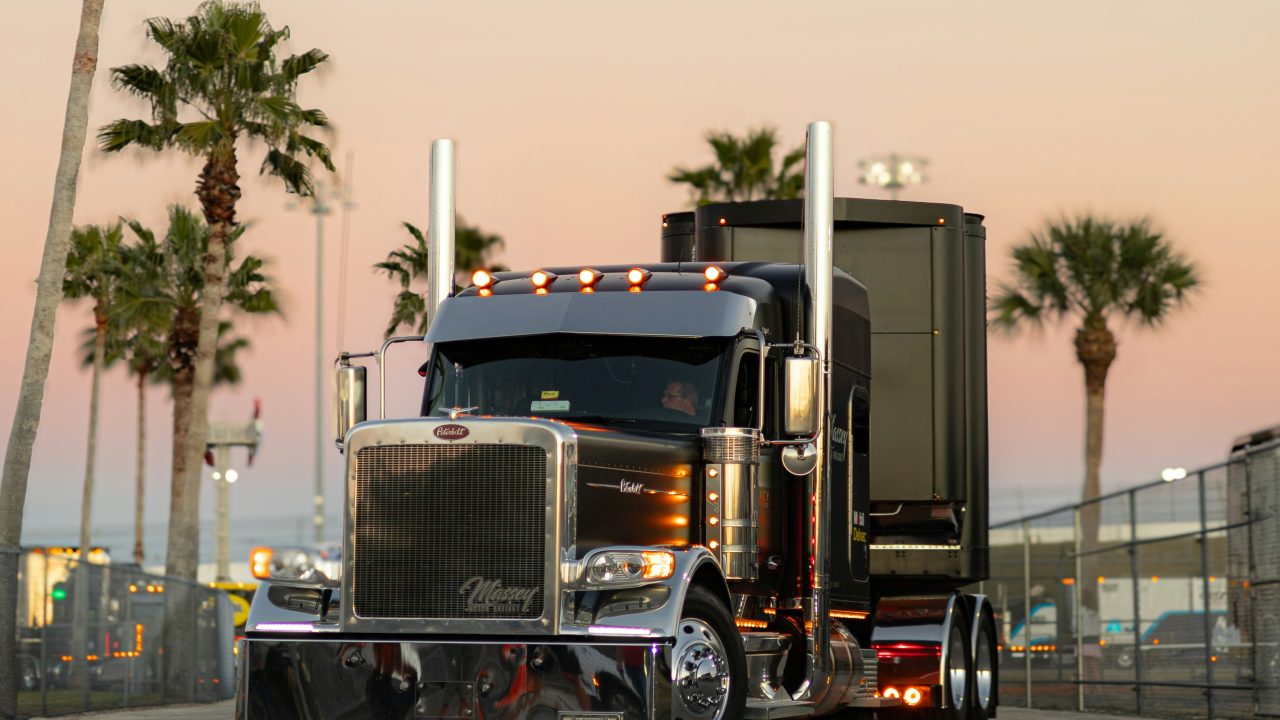
Photo by Landon Liedtke on Unsplash
Merging is one of the most underestimated maneuvers on the road. It feels routine—just a quick adjustment in speed and position. But when a large commercial truck is nearby, that simple move becomes far more complex. What might be a minor inconvenience between two passenger vehicles can turn into a serious hazard when a truck is involved.
The danger lies in the mismatch between expectation and reality. Drivers often assume trucks can react the same way cars do—but they can’t. When that misunderstanding meets a rushed or careless merge, the results can be immediate and severe.
The Illusion of Space Can Be Misleading
From a driver’s perspective, it may look like there’s enough room to merge in front of a truck. The gap seems open, the lane appears clear, and the maneuver feels safe. But that visual judgment can be deceptive.
What drivers often fail to account for is the truck’s stopping distance and reaction time. That “open space” may not actually be enough for the truck to slow down safely. What feels like a comfortable merge for a car can instantly become a dangerous squeeze for a truck.
Trucks Don’t See What You Think They See
Visibility around a commercial truck is far more limited than most drivers realize. Blind spots stretch along both sides of the trailer, directly behind it, and even in front of the cab. If you can’t see the truck driver in their mirror, there’s a good chance they can’t see you.
Merging into these blind zones creates a hidden risk. Drivers may assume they’ve been noticed and accounted for when in reality, they’ve effectively disappeared from the truck driver’s view. This disconnect can lead to sudden, unexpected collisions.
Timing Matters More Than Speed
Merging is not just about how fast you’re going—it’s about when you move. Poor timing, especially when entering a lane too early or too late, can disrupt the flow of traffic and force trucks into difficult positions.
A merge that cuts too close in front of a truck removes the cushion it needs to operate safely. Even if the speed seems appropriate, the timing alone can create a scenario where the truck driver has no safe response.
Trucks Carry Momentum That Can’t Be Stopped Instantly
A fully loaded truck is not just large—it carries massive momentum. Once it’s moving, it takes time and distance to slow it down. Unlike passenger vehicles, trucks cannot simply “tap the brakes” and come to a quick stop.
When a vehicle merges abruptly in front of a truck, it forces the driver to react within those physical limits. If the space isn’t sufficient, the truck may not be able to avoid impact, no matter how attentive the driver is.
Highway Merges Are Where Risks Multiply
On-ramps and highway merges are some of the most dangerous points for these interactions. Drivers are accelerating, scanning for gaps, and trying to enter fast-moving traffic—all at once.
When a truck is part of that equation, the margin for error shrinks. Trucks accelerate more slowly and require longer distances to adjust. A driver who forces a merge in these areas can create a sudden bottleneck that the truck cannot safely navigate.
Aggressive Driving Makes the Situation Worse
Unsafe merging is often tied to impatience—drivers trying to beat traffic, squeeze into tight spaces, or avoid slowing down. Around trucks, this kind of behavior is especially risky.
Aggressive merges remove predictability, which is something truck drivers rely on to operate safely. When movements are sudden or erratic, it becomes much harder for them to anticipate and respond effectively.
Evasive Actions Can Trigger Larger Accidents
When a truck driver is forced to react to an unsafe merge, their options are limited. Braking too hard can cause cargo to shift or lead to a rear-end collision from behind. Swerving can push the truck into another lane or even cause a rollover.
These reactions don’t just affect the merging vehicle—they can involve multiple cars in surrounding lanes. What starts as one driver’s misjudgment can quickly escalate into a multi-vehicle crash.
Weather Turns Small Mistakes Into Big Risks
Rain, fog, or wet pavement amplify the dangers of unsafe merging. Reduced traction and visibility make it harder for both drivers and truck operators to react in time.
In these conditions, trucks need even more space to slow down and maintain control. A merge that might be risky on a clear day can become extremely dangerous when the road is slick or visibility is limited.
Understanding Truck Behavior Can Prevent Accidents
Many crashes happen because drivers underestimate how differently large trucks move and respond. A better understanding of truck limitations can make everyday driving safer.
- Trucks Need More Space: They require wider turns, longer stopping distances, and more room to maneuver.
- Trucks Need More Time: Sudden lane changes or abrupt merging can leave a truck driver with little chance to react safely.
- Blind Spots Matter: Staying out of a truck’s no-zones improves visibility and reduces collision risk.
- Predictable Driving Helps: Deliberate, steady movements make it easier for truck drivers to respond safely.
- Small Adjustments Improve Safety: Giving extra room and timing moves carefully can significantly reduce the risk of a crash.
Understanding how trucks operate helps drivers make safer decisions around them.
When Unsafe Merging Leads to a Crash
When an accident occurs, determining responsibility is not always straightforward. While unsafe merging is often a key factor, other elements—such as truck speed, driver response, and road conditions—may also contribute.
In these situations, working with a truck accident lawyer in Atlanta can help uncover the full picture. A detailed evaluation ensures that all contributing factors are considered when assessing what happened.
A Split-Second Decision With Lasting Consequences
Merging may only take a few seconds, but the consequences of doing it unsafely can last much longer. Around large trucks, even a small miscalculation can set off a chain of events that no one can control once it begins.
Driving with awareness—especially near commercial vehicles—means recognizing that not all vehicles operate the same way. Respecting those differences is one of the simplest and most effective ways to prevent serious accidents on the road.
Buy Me A Coffee
The Havok Journal seeks to serve as a voice of the Veteran and First Responder communities through a focus on current affairs and articles of interest to the public in general, and the veteran community in particular. We strive to offer timely, current, and informative content, with the occasional piece focused on entertainment. We are continually expanding and striving to improve the readers’ experience.
© 2026 The Havok Journal
The Havok Journal welcomes re-posting of our original content as long as it is done in compliance with our Terms of Use.


