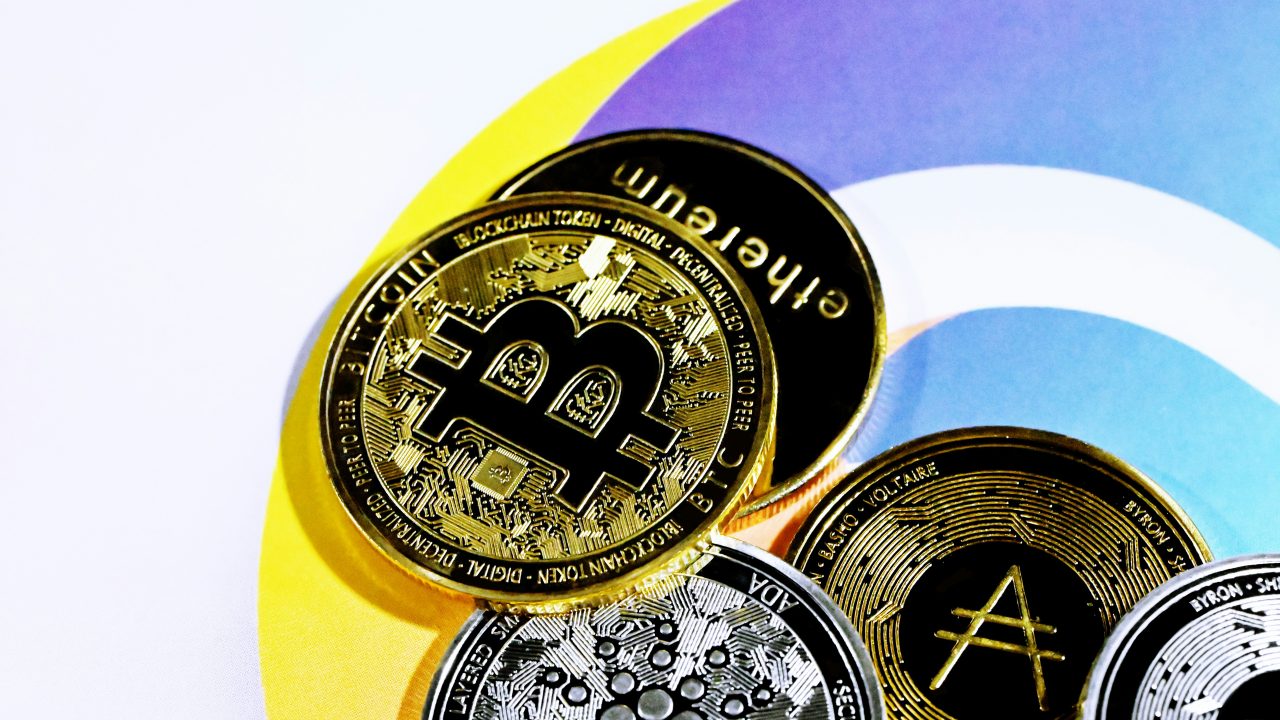
The way people interact with money has undergone a dramatic transformation over the past decade. What once relied heavily on physical cash is now increasingly driven by digital solutions, from contactless cards to mobile wallets and online payment platforms. This shift toward a cashless lifestyle is not just a technological trend—it reflects deeper changes in how individuals manage their finances, conduct business, and navigate a globally connected environment.
Today, convenience, speed, and accessibility are at the forefront of financial innovation. Consumers expect seamless transactions whether they are shopping online, paying for services abroad, or transferring funds across borders. As a result, digital payment ecosystems continue to evolve, offering more flexible and efficient alternatives to traditional cash-based systems.
The Shift Toward Digital Transactions
One of the most noticeable drivers behind the move away from cash is the growing reliance on digital platforms for everyday activities. From e-commerce to subscription services, people are spending more time online, and naturally, they require payment methods that match this lifestyle.
At the same time, financial technologies have made it easier than ever to send and receive money globally. Services such as AEX crypto exchange have emerged as part of this ecosystem, allowing users to access digital assets and facilitate transactions without relying on traditional banking systems. These tools are especially valuable in regions where banking infrastructure may be limited or slow.
The appeal of cashless systems lies in several key advantages:
- Speed and efficiency: Transactions can be completed in seconds, regardless of distance
- Accessibility: Users only need a smartphone or internet connection
- Transparency: Digital records make it easier to track spending and manage budgets
As these benefits become more widely recognized, both consumers and businesses are accelerating their transition toward digital payment solutions.
The Role of Alternative Payment Networks
While traditional banking systems still play a major role, alternative payment networks are gaining popularity for their flexibility and lower transaction costs. These systems often rely on decentralized technologies, which allow users to transfer value directly without intermediaries.
For example, solutions built on networks like tron trc20 are designed to handle fast and cost-effective transactions. This makes them particularly attractive for international payments, where conventional methods can be slow and expensive. As global commerce becomes more interconnected, such technologies are helping bridge the gap between different financial systems.
In addition to speed, these networks offer greater control to users. Instead of depending entirely on centralized institutions, individuals can manage their own digital assets and execute transactions on their own terms. This shift represents a significant change in how people perceive and use money in a digital age.
Everyday Applications of Cashless Living
The transition to cashless living is not limited to online purchases or large financial operations. It is becoming an integral part of everyday life in ways that many people may not even notice.
Consider how often digital payments are used in daily routines:
- Paying for public transportation with a mobile app
- Splitting bills with friends using peer-to-peer payment services
- Subscribing to streaming platforms or digital tools
- Ordering food or groceries through delivery apps
These small but frequent interactions demonstrate how deeply embedded cashless systems have become. Over time, they reshape habits and expectations, making physical cash feel increasingly outdated.
Moreover, businesses are adapting quickly to meet consumer demand. Many retailers now prioritize contactless payments, and some operate entirely without cash. This not only speeds up transactions but also reduces operational costs associated with handling physical money.
Security and Trust in a Digital Economy
As with any technological shift, the rise of cashless living raises important questions about security and trust. While digital systems offer convenience, they also require robust safeguards to protect users from fraud and data breaches.
Fortunately, advancements in encryption, authentication, and blockchain technology are helping address these concerns. Multi-factor authentication, biometric verification, and secure digital wallets are becoming standard features in modern financial tools.
At the same time, users are becoming more aware of best practices for protecting their assets. Simple steps such as using strong passwords, enabling security features, and avoiding suspicious platforms can significantly reduce risks.
Trust is also built through transparency. Digital transactions leave a traceable record, which can be useful for both individuals and businesses. This level of visibility helps prevent disputes and ensures accountability in financial interactions.
The Future of Cashless Living
Looking ahead, the trend toward cashless living shows no signs of slowing down. As technology continues to evolve, new innovations will further simplify how people manage and transfer money.
Several developments are likely to shape the future:
- Integration of financial services into everyday apps
- Expansion of global payment networks
- Increased adoption of decentralized financial tools
These changes will make financial systems more inclusive and adaptable, allowing users from different parts of the world to participate in a unified digital economy.
However, it is important to recognize that the transition is not uniform. Some regions still rely heavily on cash due to infrastructure limitations or cultural preferences. Bridging this gap will require continued investment in technology, education, and regulatory frameworks.
Conclusion
The rise of cashless living reflects a broader shift toward a more connected and digital world. As financial tools become faster, more accessible, and increasingly integrated into daily life, the reliance on physical cash continues to decline.
For individuals, this transformation offers greater convenience and control over their finances. For businesses, it opens up new opportunities to reach global audiences and streamline operations. And for the global economy as a whole, it represents a step toward a more efficient and inclusive financial system.
Understanding and adapting to these changes is essential. As digital payments become the norm, those who embrace them will be better positioned to navigate the evolving landscape of modern finance.
Buy Me A Coffee
The Havok Journal seeks to serve as a voice of the Veteran and First Responder communities through a focus on current affairs and articles of interest to the public in general, and the veteran community in particular. We strive to offer timely, current, and informative content, with the occasional piece focused on entertainment. We are continually expanding and striving to improve the readers’ experience.
© 2026 The Havok Journal
The Havok Journal welcomes re-posting of our original content as long as it is done in compliance with our Terms of Use.