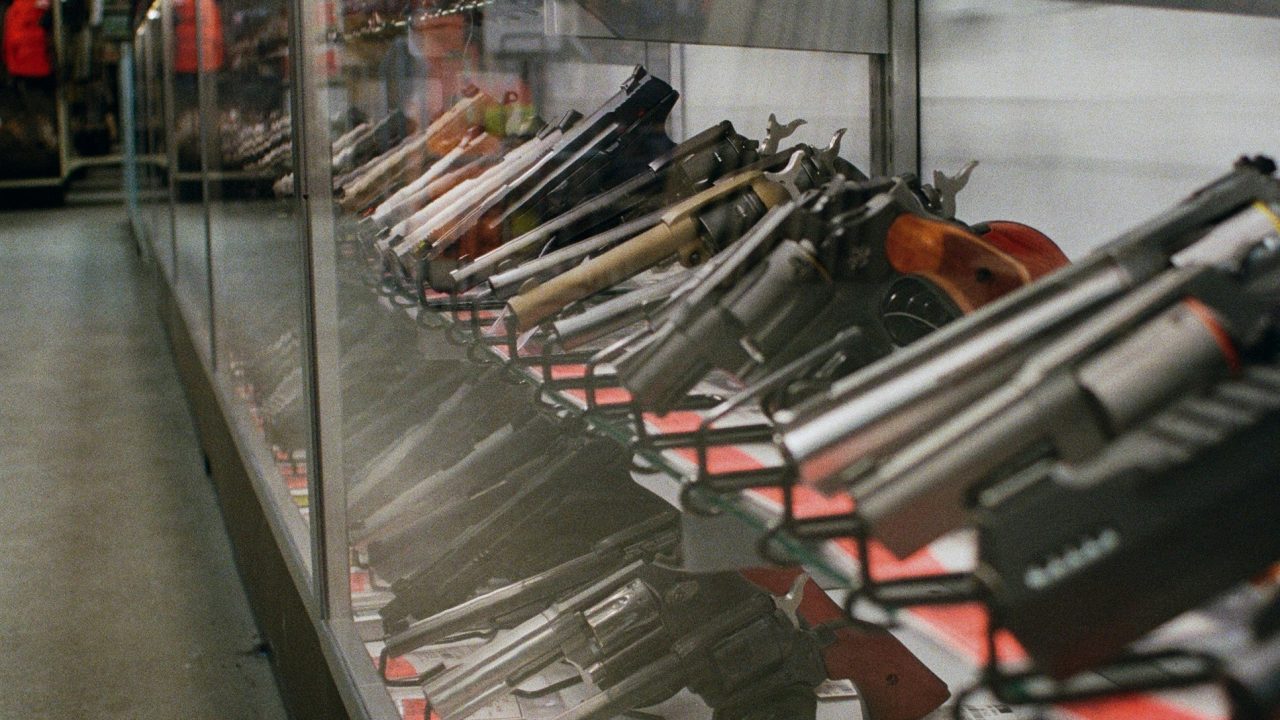
Photo by Jacob Skowronek on Unsplash
Gun sales in the United States are often framed around politics, legislation, or personal beliefs about gun ownership. That is usually where the public conversation begins and ends. What receives far less attention is the market behind those debates and the many factors that influence how firearms are made, distributed, sold, and purchased across the country.
The American firearms market has evolved over decades of shifting demand, technological change, and regulatory shifts. Every year, firearms move through a system that connects manufacturers, distributors, retailers, and lawful buyers. It is a long-established consumer market with deep ties to American industry, culture, and history.
Looking at gun sales through that wider lens gives the issue more context. The firearms market rests on tradition, business infrastructure, consumer behavior, and a regulatory framework that affects every stage of the process. Those forces help explain how the market works and why it continues to evolve.
Who Makes Up the U.S. Firearms Market Today
The U.S. firearms market is not driven by a single kind of buyer. It includes first-time owners, longtime enthusiasts, hunters, competitive shooters, collectors, and people focused on home or personal defense. That range of buyers helps explain why the market remains active even when political pressure, economic conditions, or public debate shift from year to year. Different parts of the market respond to different motivations, and not every purchase surge comes from the same place.
This variety also affects what sells. Some buyers are drawn to practical handguns and defensive firearms, while others are more interested in hunting rifles, collector pieces, or used firearms with long-term value. That mix creates a market that is broader than many public conversations suggest. Firearms sales in the United States reflect policy concerns, lifestyle, tradition, sport, and consumer preference.
Understanding that range matters because it shows why the firearms market cannot be easily reduced to headlines or election cycles. Demand is spread across multiple segments, and each segment influences how manufacturers, retailers, and distributors respond to the market.
What Drives Gun Sales in Modern America
Gun sales in the United States tend to rise and fall in response to a mix of political, social, and economic pressures. Demand rarely moves in a straight line. It shifts as public sentiment changes, as confidence in institutions rises or falls, and as consumers respond to events that affect how they think about firearm access.
Politics remains one of the strongest drivers. Elections, legislative proposals, and national debates over firearm policy often lead to temporary increases in sales when buyers become concerned about possible restrictions. That cycle has repeated itself many times over the past two decades and remains one of the clearest patterns in the modern firearms market.
Economic instability and broader social uncertainty can also influence purchasing behavior. In unsettled periods, many people place a greater emphasis on personal security and preparedness. In calmer times, demand is often supported by long-standing interests such as hunting, collecting, competitive shooting, and recreational use.
The customer base has also changed in recent years. Firearm ownership now includes a broader mix of first-time buyers than it did in previous decades, and that shift has influenced parts of the market. Research on gun ownership patterns in the United States shows how ownership differs by age, region, and political identity, offering a clearer view of who participates in the market today.
Taken together, these factors help explain why the firearms market remains active even when buyers have very different motivations. Gun sales are driven by both long-standing traditions and changing conditions in American life.
The Infrastructure Behind Firearm Sales
Public debate often focuses on the buyer, the firearm, or the law itself. The market depends on a much larger system operating in the background. Firearms move through a chain that includes manufacturers, wholesalers, distributors, and federally licensed dealers, each with a defined role in getting products to lawful buyers.
Retailers are the most visible part of that system, but their responsibilities go well beyond completing a sale. They must follow transfer rules, maintain records, coordinate with distributors, and manage the practical demands of compliance. Those day-to-day duties play a major role in how firearms are sold and how accountability is maintained throughout the process.
The financial side of firearm retail comes with its own complications. Because many traditional institutions place firearm-related businesses in higher-risk merchant categories, retailers often rely on high-risk firearm payment solutions to process transactions in a more restrictive financial environment.
That is only one part of the broader structure. Inventory management, distributor relationships, shipping limitations, and regulatory requirements all influence how firearm sales work in practice. When the firearms market is treated like any other retail category, much of that complexity gets overlooked.
Why the Firearms Market Operates Differently
The firearms market operates under conditions that set it apart from most other consumer industries. Federal and state laws affect how businesses are licensed, how transactions are documented, and how products move through the supply chain. At every stage, the industry works under a level of oversight that most retailers never face.
For licensed dealers, compliance is part of everyday business. Background checks are the most visible piece of that process, but they are far from the only one. Record keeping, inventory controls, reporting requirements, and secure handling standards all affect how retailers manage staffing, storage, workflow, and transactions. Much of that work happens out of sight, even though it directly shapes the customer experience.
That same regulatory pressure carries over into the broader business environment. Firearm retailers often face tighter scrutiny from financial institutions, service providers, and outside partners. As a result, the market has developed its own operating norms, rooted in legal obligations, consumer expectations, and institutional caution.
The firearms market is also closely tied to American history and political culture, giving it a weight that goes beyond pricing and product demand. Discussions of how firearm values reflect history, policy, and market forces show that gun sales are influenced by more than pricing or product demand alone. Cultural identity, regulation, and historical memory all play a role in how this market behaves.
Conclusion
Gun sales in the United States reflect far more than election cycles or headline-driven spikes in demand. The firearms market rests on a long-established system of manufacturing, distribution, retail, and regulation that has developed over generations.
Consumer demand continues to shift in response to cultural attitudes, economic pressure, and public debate. At the same time, the structure behind those sales is still governed by compliance requirements, supply chain realities, and a business environment unlike most other retail sectors.
Looking at gun sales through the broader lens of the market itself offers a more complete picture of how the industry works. Consumer behavior, historical tradition, regulation, and business infrastructure continue to shape the U.S. firearms market.
Buy Me A Coffee
The Havok Journal seeks to serve as a voice of the Veteran and First Responder communities through a focus on current affairs and articles of interest to the public in general, and the veteran community in particular. We strive to offer timely, current, and informative content, with the occasional piece focused on entertainment. We are continually expanding and striving to improve the readers’ experience.
© 2026 The Havok Journal
The Havok Journal welcomes re-posting of our original content as long as it is done in compliance with our Terms of Use.


