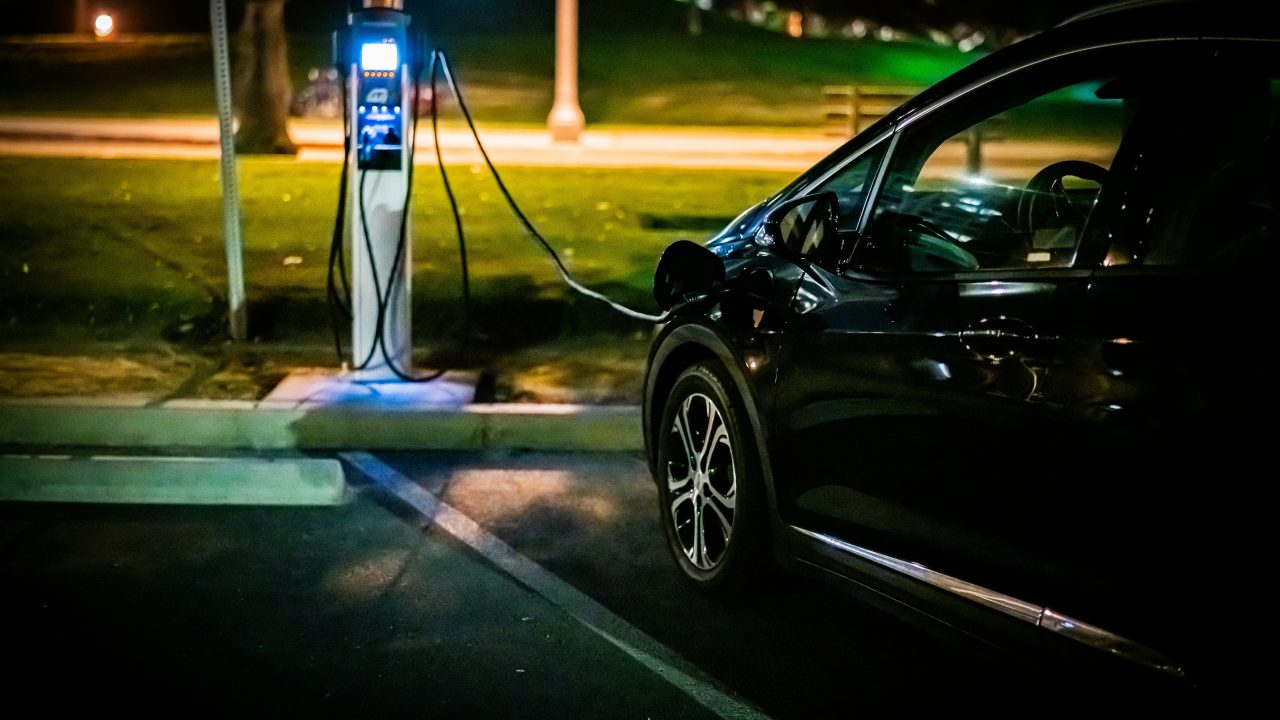
Photo by Oxana Melis on Unsplash
The rise of electric vehicles (EVs) is reshaping how people think about transportation. As EV adoption continues to grow, cities must respond by investing in infrastructure to support this shift. This transition toward electric mobility offers numerous benefits for urban environments. Charging infrastructure plays a critical role in supporting this change. In this article, explore how these solutions are transforming urban areas and the many advantages they bring.
Reduce Urban Air Pollution with Charging Solutions
Urban air pollution is a significant concern for residents and city officials. Gasoline-powered vehicles are the leading cause of harmful emissions, which degrade air quality. EV charging solutions are directly tied to reducing these emissions, as electric vehicles produce zero tailpipe pollutants. With more charging stations, cities can encourage residents to switch to EVs, lowering harmful exhaust gases.
As EV adoption increases, the transition to cleaner transportation becomes easier. Installing charging stations across urban areas allows for wider access to electric vehicles. This shift helps reduce air pollutants like nitrogen oxides and particulate matter, leading to better public health and cleaner cities.
Ease Parking Space Pressure in Urban Areas
Many cities struggle with parking shortages, making it increasingly difficult to find available spaces. With limited space and a growing number of vehicles, finding parking becomes difficult. Charging infrastructure helps optimize available parking spaces. Modern stations are designed to fit seamlessly into parking areas, ensuring efficient space usage.
EV charging stations integrated into existing parking lots provide a solution to overcrowded spaces. This solution provides EV owners with convenient places to park and charge their vehicles. Adding charging infrastructure allows cities to maximize space efficiency, making parking smoother for everyone.
Reduce Traffic Congestion with Convenient Charging
Traffic congestion causes long commutes and increases stress for urban residents. With many drivers circling for parking, traffic flow becomes disrupted. EV charging stations contribute to solving this problem by offering strategic locations for drivers to charge their vehicles. This makes it easier for EV owners to find a place to park and recharge without delays.
Furthermore, EV charging solutions reduce the number of gas-powered vehicles on the road. As more people switch to EVs, the overall number of cars contributing to traffic congestion decreases. Cities with well-placed charging stations experience smoother traffic flow and shorter commute times.
Lower Noise Pollution Impact with Electric Vehicle Adoption
Cities are often loud, with constant noise from traffic and engines. This noise pollution negatively affects the quality of life for residents. Electric vehicles, which run quietly compared to traditional gasoline vehicles, significantly reduce noise levels. Their adoption leads to quieter streets, especially in urban areas.
When cities install charging stations, they support the growth of EVs, further lowering noise pollution. As electric vehicles become more prevalent, urban environments become more peaceful, offering a better living experience. This improvement in noise levels contributes to a more enjoyable and relaxing atmosphere for city dwellers.
Boost Property Value Appeal with Nearby Stations
The location of an EV charging station can increase property value. As electric vehicles gain popularity, homebuyers seek properties with easy access to charging facilities. Homes near charging stations are more attractive, offering convenience to residents who own or plan to own EVs.
For property developers, installing charging stations adds a valuable feature to their properties. This investment enhances the appeal of homes and can result in higher demand. Proximity to EV charging stations can make properties more desirable, boosting their market value.
Electric vehicle infrastructure offers numerous advantages for urban areas. From improving air quality to reducing noise pollution, these solutions have the power to transform cities. As more cities implement charging stations, the future of urban living will be cleaner, quieter, and more efficient. For cities eager to enhance their sustainability efforts, embracing this infrastructure is an important step toward a greener future.
Buy Me A Coffee
The Havok Journal seeks to serve as a voice of the Veteran and First Responder communities through a focus on current affairs and articles of interest to the public in general, and the veteran community in particular. We strive to offer timely, current, and informative content, with the occasional piece focused on entertainment. We are continually expanding and striving to improve the readers’ experience.
© 2026 The Havok Journal
The Havok Journal welcomes re-posting of our original content as long as it is done in compliance with our Terms of Use.