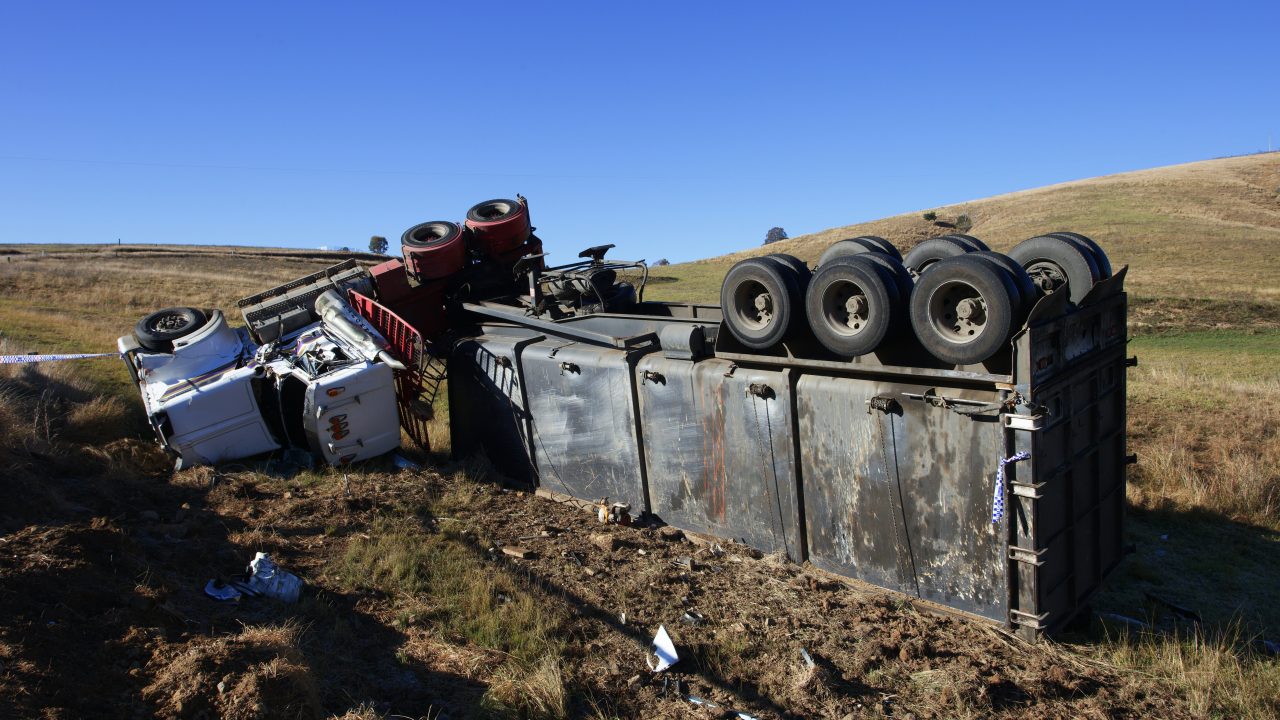
Photo by Stephen Tafra on Unsplash
A truck accident in New York can turn your life upside down in an instant. One moment – you see traffic, noise and routine. The next moment – there is pain, confusion and a mountain of bills. When a crash involves a commercial truck – proving what actually happened is more important than almost anything else. Evidence is what separates a strong case from a denied claim.
This guide will break down the exact types of evidence that will help you win a truck accident case in New York.
Why evidence carry more weight in New York truck cases
New York traffic is fast – but so are the trucking companies and insurers. After a crash, their teams start protecting themselves right away. They collect:
- Records
- Review driver statements
- Limit what gets shared
Without solid proof, it will be easy for blame to transfer from the truck or the company.
New York law also allows more than one party to be responsible. The liable parties can be:
- A driver
- A trucking company
- A parts supplier
- A maintenance contractor
Evidence can connect each party to the crash and show how their actions led to harm.
Crash scene evidence to get the real story
The road itself can hold your first clues.
Photos that you take at the scene can show:
- Vehicle positions
- Damage patterns
- Skid marks
- Traffic signs
- Lane markings
In a busy city like New York City – these details can vanish fast once traffic clears.
Debris locations can point you to impact zones. Damage angles can show which vehicle crossed lanes. Road conditions can explain braking distance or loss of control. Even weather and lighting can be accounted for – especially during early morning or late evening hours.
If photos are not taken right away, traffic camera footage or nearby business cameras may fill the gap. Your timing is critical here, since many systems overwrite recordings within days.
Police reports and why they are important
A police report is not the final word on fault – but it gives it the foundation. In New York, officers document:
- Vehicle details
- Driver information
- Witness names
- Initial observations
Diagrams can show the vehicle lane positions and points of contact.
Officers may also note violations such as:
- Speeding
- Unsafe lane changes
- Failure to yield
These notes can help you show negligence – even if no ticket was issued at the scene.
The report will also give you a clear timeline. This timeline will link your injuries to the crash. This is important when insurers may question medical treatment later.
Medical records to connect injuries to the crash
Medical evidence does more than list injuries. It can explain how those injuries happened and how long recovery may take.
Your emergency room records can show immediate trauma. Imaging scans can reveal your internal injuries. Follow-up visits can also document your:
- Pain
- Mobility limits
- Ongoing treatment needs
In New York truck cases, insurers can argue that your injuries existed before the crash. Clear medical documentation will help you counter that argument by showing when your symptoms began and how they progressed.
Consistency in your treatment is necessary. Any gap in your treatment raises questions. Detailed notes can help you show the physical impact of a heavy truck collision compared to a standard vehicle crash.
Black box data from the truck
Many commercial trucks use electronic systems that record driving data. These devices may track:
- Speed
- Braking
- Throttle use
- Steering input
- Engine performance
This data can answer key questions:
- Was the truck speeding?
- Did the driver brake in time?
- Was the truck accelerating before impact?
In New York, access to this data will require a quick legal action. It is not mandatory for trucking companies to store this data forever. Once it is gone – it cannot be recreated.
Driver logs and hours-of-service records
Federal rules limit how long a truck driver can stay on the road without rest. Fatigue is a major factor in serious crashes.
Driver logbooks and electronic logging devices show:
- Driving hours
- Rest breaks
- Route history
When records reveal long shifts or skipped breaks – they will help show us unsafe driving conditions.
In dense New York traffic, even small lapses in focus can lead to severe collisions. Logs will help explain why reaction time may have been delayed.
Maintenance and inspection records
Trucks need frequent inspections. All the parts like:
- Brakes
- Tires
- Lights
- Steering systems – must meet safety standards.
Maintenance records can show whether a company kept up with required service. Missing inspections or delayed repairs can point towards negligence. Skipped maintenance can result in:
- Tire blowouts
- Brake failures
- Steering issues
These records can also reveal such patterns. A history of ignored issues can strengthen your claim that safety was not a priority.
Witness statements that support your account
Independent witnesses also carry a lot of weight. They have no stake in the outcome and can give straightforward descriptions.
Witnesses may confirm:
- Lane changes
- Traffic signals
- Sudden stops
- Aggressive driving
In New York intersections, pedestrian and cyclist witnesses can offer valuable angles that drivers miss.
Statements collected at the scene tend to be more accurate. Over time, details can fade or become influenced by outside conversations.
Digital evidence beyond the truck
Phones and apps also play a role in modern driving. Cell phone records may show calls, texts or app use near the time of the crash. This can help you prove distraction.
Navigation data can confirm your routes and speeds. Delivery apps can show time pressure or unrealistic schedules that encourage risky driving.
In some cases, wearable devices even show sudden movement or impact timing – adding another layer to your timeline.
Employment and training records
A trucking company’s hiring practices must also be scrutinized. Driver files may show:
- Past violations
- Limited training
- Prior crashes
If a company ignores red flags, these records help you establish responsibility beyond the driver alone. In New York, holding the right parties accountable will depend on proving company-level decisions.
Expert analysis that ties everything together
Raw evidence does not speak for itself. Experts help explain it.
Accident reconstruction specialists analyze:
- Physics
- Vehicle damage
- Data to recreate the crash
Medical experts can explain your injury mechanics. Economic experts will calculate the long-term financial impact.
Their role is important and will give you clarity.
How geography plays a role in New York cases
New York has its own challenges. There are several things that can affect truck movement like:
- Tight streets
- Heavy congestion
- Delivery schedules
- Constant construction
Local traffic patterns, bridge restrictions and zoning rules can also influence liability. Evidence that accounts for these local factors has more weight than generic explanations.
Why timing matters more than most people expect
Some records can last months. Others can only last for some days. Camera footage, electronic data, and company logs can be unavailable quickly.
A proactive approach will help you preserve proof before it fades. Even small delays can limit what is available later.
A note on legal guidance
Truck accident cases include technical evidence and tight deadlines – especially in New York City.
- Traffic density
- Commercial delivery schedules
- Local trucking routes – add layers of complexity that do not exist in smaller areas.
This is where guidance from a New York City truck accident attorney becomes critical.
These cases require quick action before evidence disappears:
- Preserve records
- Request truck data
- Identify all responsible parties
Strong documentation – handled early and correctly – can shape the direction of your case from the start.
Final thoughts
Winning a truck accident case in New York is not about volume. It is about precision. Photos, records, data and expert insight can work together to tell your clear story.
When evidence shows what happened, who caused it and how your life changed after the crash – your case will stand on solid ground.
Buy Me A Coffee
The Havok Journal seeks to serve as a voice of the Veteran and First Responder communities through a focus on current affairs and articles of interest to the public in general, and the veteran community in particular. We strive to offer timely, current, and informative content, with the occasional piece focused on entertainment. We are continually expanding and striving to improve the readers’ experience.
© 2026 The Havok Journal
The Havok Journal welcomes re-posting of our original content as long as it is done in compliance with our Terms of Use.


