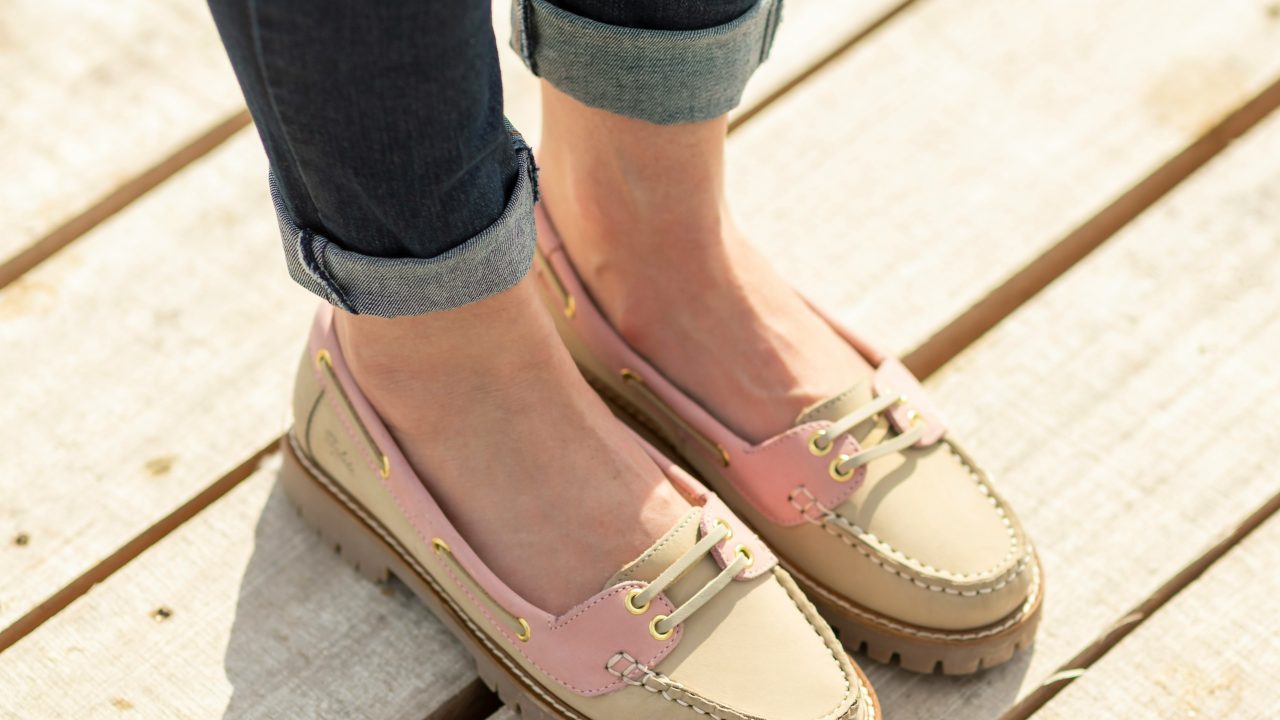
Photo by Rydale Clothing on Unsplash
Summer footwear is where most men get it wrong. Shoes swing too far in one direction. Either they are sealed up like winter boots, or they expose everything and give up structure completely. The sweet spot sits in the middle, where feet stay protected without turning into a heat trap.
Coverage and breathability are not opposites. They are design decisions. The right pair works because of how materials, shape, and construction interact, not because of one feature slapped on a label.
Understand Where Heat Actually Builds
Feet do not overheat evenly. Heat builds in specific zones. The instep and the sides of the foot hold warmth longer than the toes. The same goes for the arch. Most poorly designed summer shoes ignore this and either vent the wrong areas or leave everything exposed.
Good summer footwear keeps structure around the foot while allowing airflow where heat naturally accumulates. That is why random cutouts do not work. Placement matters more than quantity.
If airflow feels forced or decorative, it probably is.
Coverage Is About Structure, Not Bulk
Coverage does not mean heavy. A shoe can protect the foot without feeling armored. The key is how the upper holds shape without stacking layers.
Well-designed summer footwear uses fewer panels and smarter stitching. Instead of padding, it relies on the natural firmness of the material. This keeps the foot stable while reducing trapped heat.
This is where closed toe men’s leather sandals earn their place. When done correctly, they protect the toes from impact and dirt while keeping the sides and top open enough to breathe. The balance comes from restraint.
Material Choice Changes Everything
Material does most of the work before design even enters the picture. Synthetic materials trap heat and moisture, even when perforated. They may look breathable, but they rarely feel that way after a few hours.
Leather behaves differently. High-quality leather breathes naturally and adapts to the foot over time. It absorbs moisture instead of sealing it in, which keeps skin cooler and reduces friction.
Thinner cuts of leather outperform thicker ones in summer. The goal is flexibility without collapse. If the material feels stiff and dense out of the box, it will likely stay warm and unforgiving in heat.
Footbeds Matter More Than Uppers
Most people obsess over the upper and ignore what sits underneath. That is a mistake. Heat buildup often starts at the sole.
Rubber-heavy footbeds hold warmth and do not release moisture. In contrast, cork blends or textured surfaces allow airflow and evaporation. They also reduce the slick feeling that leads to sweat buildup.
A breathable shoe with a heat-trapping footbed still fails. Balance requires both surfaces to work together.
Shape Determines Airflow
Shape controls how air moves around the foot. Narrow, tapered designs restrict circulation even if the shoe is technically open. Wider profiles allow air to move naturally as you walk.
Toe boxes should feel relaxed, not snug. Sidewalls should guide the foot without pressing into it. When a shoe squeezes, airflow stops and heat spikes.
This is why sizing up rarely solves overheating. The issue is shape, not length.
Lifestyle Should Dictate Design
Summer footwear choices fall apart when they ignore context. Walking all day in the city demands more structure than standing by the beach. Driving and casual social settings all place different demands on the feet.
Shoes meant for short wear can sacrifice support for airflow. Shoes worn for hours need balance. Coverage protects from fatigue and impact, while breathability keeps the foot functional.
Avoid Overdesigned Ventilation
Cutouts, mesh panels, and exaggerated openings often signal a design trying too hard. True breathability feels subtle. Air moves without announcing itself.
Overdesigned ventilation usually creates weak points. The shoe loses structure, rubs awkwardly, or looks out of place outside casual settings. Summer footwear should adapt across environments without screaming seasonal.
Fit Is the Final Filter
Even the best materials and design fail if fit is off. A shoe that shifts while walking creates friction and heat. One that grips too tightly blocks airflow.
Summer footwear should feel secure but forgiving. The foot should settle into place, not fight for it. Movement should feel natural, not restricted.
When coverage and breathability are balanced correctly, the shoe disappears once worn. That is the real test. If you stop thinking about your feet halfway through the day, the design did its job.
Buy Me A Coffee
The Havok Journal seeks to serve as a voice of the Veteran and First Responder communities through a focus on current affairs and articles of interest to the public in general, and the veteran community in particular. We strive to offer timely, current, and informative content, with the occasional piece focused on entertainment. We are continually expanding and striving to improve the readers’ experience.
© 2026 The Havok Journal
The Havok Journal welcomes re-posting of our original content as long as it is done in compliance with our Terms of Use.


