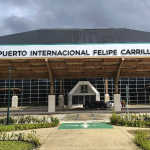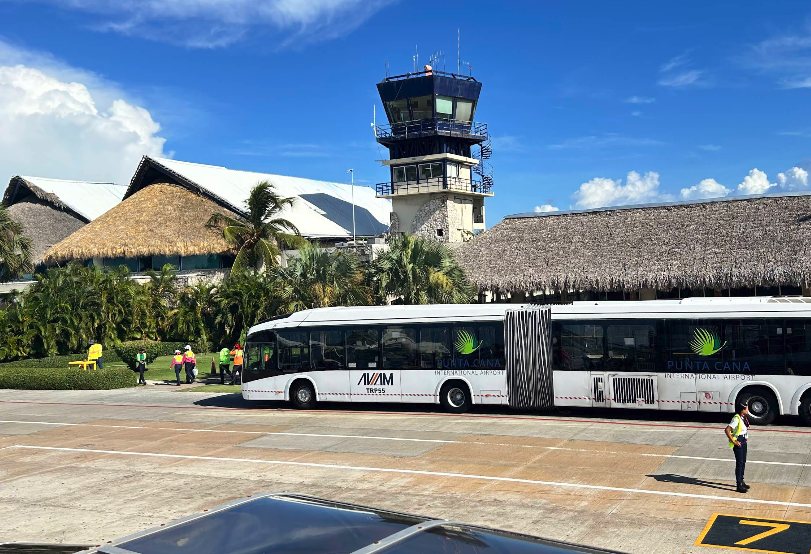
For millions of sun-seekers each year, the journey to the Dominican Republic’s famed coconut palm shores and all-inclusive resorts begins at Punta Cana International Airport (PUJ). More than just an arrival hall, PUJ is a vibrant, open-air portal to the Caribbean, consistently ranked as the busiest airport in the region. Its unique design and efficient operation are the first taste of the island’s “no shoes, no news” ethos.
Whether you’re a first-time visitor or a seasoned traveler to the Dominican coast, understanding this hub is key to a seamless start and end to your vacation. This guide provides the essential, up-to-date information for navigating PUJ with ease.
Welcome to the Caribbean’s Busiest Hub: An Overview
Unlike conventional enclosed terminals, Punta Cana International is famous for its signature thatched-roof (palapa) design and open-air concourses, allowing tropical breezes to flow through. Inaugurated in 1983, it was the world’s first privately owned international airport and remains a model of private efficiency in aviation. In 2023, PUJ welcomed a record-breaking 9.5 million passengers, solidifying its status as the gateway to the Dominican Republic’s tourism heartland.
The airport is divided into two main terminals:
- Terminal A: Handles the majority of international commercial flights, including those from the U.S., Canada, and Europe.
- Terminal B: Primarily services charter flights, some commercial arrivals, and private aviation.
The entire complex is located in the Verón-Punta Cana area, placing visitors within a 20 to 45-minute transfer to most major resort zones, from Bavaro and Cap Cana to Uvero Alto and Macao.

Flight Network: A Global Connection to the Tropics
PUJ boasts one of the most comprehensive flight networks in the Caribbean, with year-round and seasonal service from across the Americas and Europe.
From the United States & Canada:
Direct flights are plentiful from dozens of cities. Major carriers include:
- American Airlines: A dominant carrier with daily flights from Miami, Charlotte, Dallas, Philadelphia, and more.
- Delta Air Lines: Operates from Atlanta, New York (JFK), and Boston.
- United Airlines: Flies from Newark, Chicago, Washington-Dulles, and Houston.
- JetBlue & Southwest: Offer extensive direct routes from northeastern and southern U.S. cities.
- Canadian Carriers: Air Canada, WestJet, Air Transat, and Sunwing provide robust seasonal and year-round service from Toronto, Montreal, Vancouver, and other major Canadian hubs, especially during the winter months.
From Europe:
Regular direct flights connect Punta Cana to key European gateways, including Madrid, Paris, Frankfurt, Amsterdam, and London, on airlines like Air Europa, Air France, Condor, TUI, and British Airways.
Ground Transportation: From Punta Cana Airport
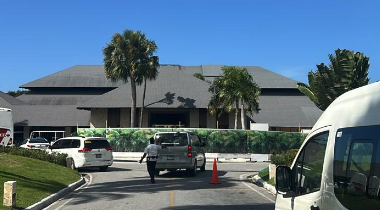
Exiting the arrivals hall, you’ll find a well-organized but bustling transportation area. Pre-booking your transfer is highly recommended to avoid confusion and secure the best rate.
- Resort Shuttles & Private Transfers: The most popular and hassle-free option. Most all-inclusive resorts include or offer shuttle service. Numerous reputable private companies provide pre-booked, door-to-door Punta Cana Airport Shuttle. A private car for 1-3 people to Bavaro starts around $50-$70 USD, while shared shuttle options can be as low as $20-$30 per person.
- Taxis: Official Punta Cana Airport Transfers are available 24/7 at fixed rates set by the airport authority. Fares to the Bavaro/Punta Cana resort area typically range from $40 to $60 USD. Always confirm the fare with the dispatcher before entering the cab and ensure you’re using an authorized taxi.
- Rental Cars: For those planning extensive exploration beyond their resort, rental car agencies (including Avis, Budget, Enterprise, and local operators) have desks in the arrivals area. Driving in the Dominican Republic requires a valid driver’s license and a sense of adventure, as local driving norms can be assertive. An SUV is often recommended for some rural roads.
Pro Tip: The currency used is the Dominican Peso (DOP), but U.S. Dollars are widely accepted everywhere, especially for tourism services. It’s wise to have small bills ($1, $5, $10) for tips and initial expenses. Majority of transfers companies from Punta Cana Airport accept a wide variety of payment methods on their websites. Travel days can bring surprise costs, from last-minute transfers to deposit holds that tie up funds temporarily. If you’re exploring borrowing options around trip costs, make an enquiry with Monzi.
Airport Amenities: Relaxation & Essentials Under the Palapas
PUJ is designed to feel like an extension of your vacation, with a wide array of services.
- Dining & Shopping: From quick snacks to sit-down meals, options abound. Enjoy a Presidente beer at a open-air bar, grab a coffee at Starbucks, or taste local flavors. Shopping includes duty-free liquor and perfume, Dominican cigars (La Leyenda), souvenir shops, and high-end boutiques for last-minute resort wear.
- Lounges: Travelers seeking comfort can access the VIP Lounge (Terminal A) for a fee, offering complimentary drinks, snacks, Wi-Fi, and quiet seating.
- Essential Services: Free Wi-Fi is available throughout the terminals. ATMs and currency exchange (casas de cambio) are readily accessible, though rates are better at banks outside the airport. The airport also features a pharmacy, medical clinic, and chapel.
- Unique Feature: The Punta Cana Airport Ecological Park is a small reserve with a turtle sanctuary located on the airport grounds, visible during takeoffs and landings.
Departure & Customs: A Smooth Exit
Allow at least three hours before an international departure. The check-in and security process is generally efficient but can be lengthy during peak seasonal hours.
- Departure Tax: A $20 USD tourist card fee is almost always included in your airline ticket price. Confirm with your airline to avoid double-paying.
- Customs & Immigration: Have your completed E-Ticket (digital form available online) and passport ready. Returning U.S. and Canadian citizens will clear U.S. Customs and Immigration in Punta Cana for many major airline flights, meaning you arrive stateside as a domestic passenger—a significant time-saver.
The Bottom Line for Travelers
Punta Cana International Airport is a well-oiled machine built for one purpose: to welcome you to paradise with maximum efficiency and a dash of Caribbean charm. Its success lies in its ability to handle enormous passenger volumes while maintaining its distinctive, relaxed atmosphere.
Smart Traveler Tips:
- Pre-book Your Transfer: This is the single best way to ensure a stress-free arrival.
- Pack Patience in Peak Season: December-April is incredibly busy; allow extra time for all processes.
- Have Documents Handy: Keep your passport, E-Ticket QR code, and customs declaration easily accessible.
- Embrace the Open Air: The terminal design means it can be warm; dress in light, comfortable layers for your flight.
By understanding the flow of PUJ, you can transition smoothly from traveler to vacationer, exchanging the hum of jet engines for the sound of lapping waves in no time. Your Dominican escape starts the moment you step off the plane into the warm, salty air.
Buy Me A Coffee
The Havok Journal seeks to serve as a voice of the Veteran and First Responder communities through a focus on current affairs and articles of interest to the public in general, and the veteran community in particular. We strive to offer timely, current, and informative content, with the occasional piece focused on entertainment. We are continually expanding and striving to improve the readers’ experience.
© 2026 The Havok Journal
The Havok Journal welcomes re-posting of our original content as long as it is done in compliance with our Terms of Use.