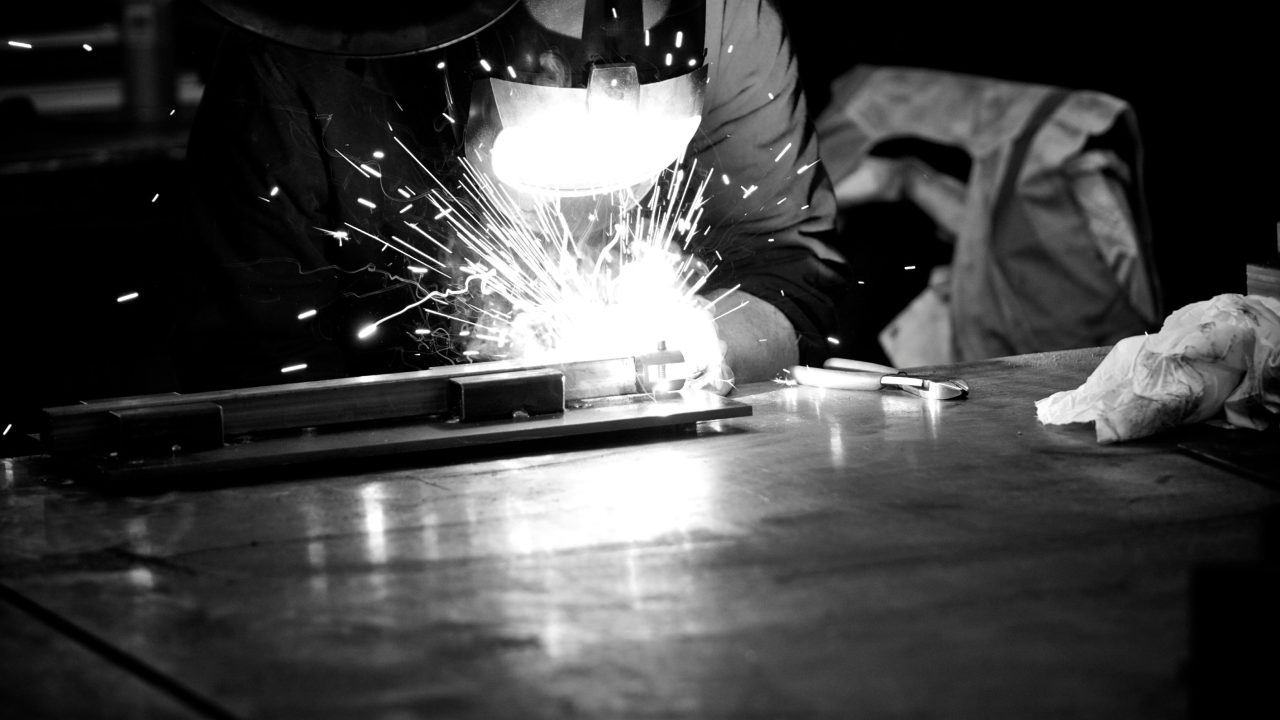
Photo by Ben Spray on Unsplash
In today’s fast-paced world, industries are constantly evolving—and skilled trades are no exception. From construction to manufacturing and utilities, tradespeople are the unsung heroes who help build and maintain the structures we rely on every day. Without them, our homes, roads, and essential systems wouldn’t function the way we need them to. But the economic impact of skilled trades goes beyond just building things. These jobs play a key role in driving economic growth, creating jobs, and stabilizing local economies.
With all the talk about technology and automation, it’s easy to overlook how important skilled trades are. Yet, these jobs are as crucial as ever. As industries face a growing shortage of workers, skilled trades are in higher demand than ever before. This post takes a closer look at why skilled trades are so important for the economy, how they impact the workforce, and how hiring skilled tradespeople can make a real difference for businesses and communities.
The Role of Skilled Trades in the Economy
Skilled trades play a huge role in the national economy. They support major industries like construction, manufacturing, and utilities, which are essential to keeping everything running smoothly. Without skilled tradespeople, infrastructure would deteriorate, projects would stall, and economic momentum would slow.
One of the biggest contributions of skilled trades is job creation. The industry supports millions of workers across a wide range of fields. Whether it’s a plumber installing pipes in a new building or an electrician wiring a commercial space, these professionals provide essential services that keep businesses operating. These roles offer steady income, long-term stability, and clear paths for growth.
Skilled trades also create a ripple effect throughout the economy. When tradespeople work on a project, they generate demand for materials, equipment, and supporting services. Construction projects alone fuel entire supply chains, from raw materials to transportation and logistics. On a local level, tradespeople spend their earnings in the communities where they live, supporting small businesses and strengthening local economies.
Beyond that, skilled trades are responsible for maintaining and upgrading critical infrastructure. From repairing aging bridges to modernizing power grids and transportation systems, tradespeople ensure that communities can function safely and efficiently.
The Growing Demand for Skilled Trades: A Key Driver of Economic Stability
Labor shortages are becoming a serious challenge, especially in the skilled trades. As experienced workers retire, there aren’t enough new workers stepping in to replace them. This gap is already causing project delays, rising costs, and productivity issues across multiple industries.
Demand for skilled trades is expected to keep growing. Fields like electrical work, plumbing, and HVAC continue to see faster-than-average job growth. These roles are essential, cannot be automated, and are needed in every community.
Despite this demand, many young people are encouraged to pursue four-year college degrees, often overlooking the trades as a viable career option. This disconnect has left many businesses struggling to find qualified workers.
To stay productive and competitive, companies need access to experienced professionals who can step in and get the job done. One effective way to address this challenge is to hire skilled trades professionals who already have the training, experience, and reliability businesses depend on.
At the same time, long-term solutions require investment in apprenticeships and hands-on training programs. Supporting these pathways helps build a strong pipeline of skilled workers and ensures economic stability for years to come.
How Skilled Trades Contribute to Community Development
The impact of skilled trades is felt most directly at the community level. Tradespeople often live and work in the same areas, meaning their contributions directly improve the places they call home.
Local construction and infrastructure projects rely heavily on skilled labor. When these projects are completed successfully, they create jobs, attract new businesses, and improve quality of life. Skilled tradespeople also help keep essential services running, from clean water and electricity to safe housing and transportation.
Many tradespeople also give back by donating their time and expertise to community projects. Whether it’s helping build schools, repair public facilities, or assist after natural disasters, their work plays a crucial role in community resilience.
During emergencies, skilled trades are often among the first to respond. Restoring power, repairing damaged structures, and rebuilding essential systems are all critical steps in recovery—and tradespeople make that possible.
The Long-Term Economic Benefits of Skilled Trades
Skilled trades provide lasting economic value. These careers offer long-term job security and are less vulnerable to outsourcing or automation. As long as buildings need to be constructed and systems need maintenance, skilled workers will be in demand.
Tradespeople also drive innovation through experience. Their hands-on knowledge often leads to smarter processes, safer work environments, and more efficient solutions. This benefits businesses by reducing costs and improving results.
When businesses invest in skilled trades, they gain the ability to grow. Reliable labor allows companies to take on more work, meet deadlines, and expand operations. This growth creates additional jobs and strengthens the economy at both local and national levels.
As infrastructure needs continue to grow, skilled trades will remain a critical part of economic progress.
Conclusion: Investing in Skilled Trades for a Stronger Economy
Skilled trades are essential to a healthy economy. They create dependable jobs, support critical infrastructure, and keep industries moving forward. With demand rising and labor shortages increasing, investing in skilled workers is no longer optional—it’s necessary.
Businesses that prioritize skilled labor are better positioned to deliver quality work, stay competitive, and support long-term economic growth. At the same time, expanding training and apprenticeship opportunities will help build a stronger, more resilient workforce.
Skilled trades are more than just careers. They are the foundation of thriving communities and a stable economy—and their importance will only continue to grow.
Buy Me A Coffee
The Havok Journal seeks to serve as a voice of the Veteran and First Responder communities through a focus on current affairs and articles of interest to the public in general, and the veteran community in particular. We strive to offer timely, current, and informative content, with the occasional piece focused on entertainment. We are continually expanding and striving to improve the readers’ experience.
© 2026 The Havok Journal
The Havok Journal welcomes re-posting of our original content as long as it is done in compliance with our Terms of Use.


