Most people only interact with the legal system when something has already gone wrong. An accident. A contract dispute. A family matter. By the time legal help becomes necessary, the terminology alone can feel overwhelming. Forms are structured in precise language. Deadlines are firm. Procedures follow a strict order. Without context, the system can seem more complicated than it actually is.
In Houston Heights, where residents often deal with everything from property issues to injury claims and small business disputes, understanding how the legal field is organized makes a real difference. Law is not one giant category. It is divided into focused areas with specific rules and expectations. Once you understand that structure, navigating a legal situation becomes less intimidating and more manageable.
Understanding Legal Practice Areas
One of the biggest misconceptions about the legal field is that all attorneys handle all types of cases. In reality, law is divided into practice areas for a reason. Criminal law focuses on offenses against the state. Family law handles divorce, custody, and related matters. Civil litigation addresses disputes between individuals or businesses. Personal injury law centers on harm caused by negligence. Each field has its own procedures, standards of proof, and strategies.
Knowing which type of attorney to contact saves time and frustration. If someone has been injured due to another party’s negligence, consulting personal injury lawyers in Houston Heights makes sense because they focus specifically on liability, medical documentation, and compensation claims tied to injury. The legal field works efficiently when cases are handled by professionals who understand the nuances of their specialty rather than by generalists attempting to cover every category.
What a Consultation Really Means
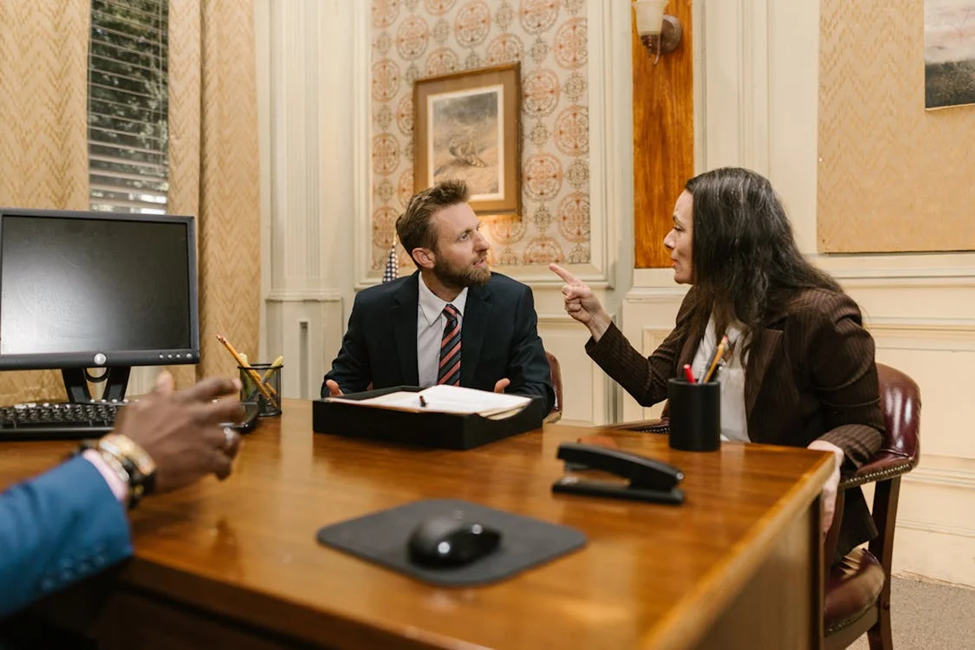
An initial consultation is not just a casual conversation. It is a structured opportunity for both sides to evaluate the situation. The attorney reviews the basic facts, asks clarifying questions, and determines whether the matter fits within their practice area. The client, on the other hand, evaluates whether the attorney’s approach and communication style feel aligned with their needs.
Preparation matters. Bringing relevant documents, timelines, contracts, medical records, or written communication helps the attorney assess the case more accurately. A consultation often clarifies next steps, whether that means filing paperwork, gathering more evidence, or deciding not to proceed. Treating the consultation seriously makes the entire legal process more efficient from the start.
How Court Procedures Typically Unfold
Court cases follow a structured sequence. In civil matters, the process usually begins with a complaint filed by the plaintiff. The defendant responds with an answer. From there, both sides enter a phase called discovery, where evidence is exchanged. This includes documents, depositions, and written questions. Pre-trial motions may address legal arguments before the case ever reaches a courtroom.
If the case proceeds to trial, each side presents evidence, questions witnesses, and makes legal arguments before a judge or jury. Courtroom procedures follow strict rules regarding evidence and timing. Understanding this sequence reduces confusion.
Understanding Liability and Fault
Liability refers to legal responsibility. In civil cases, one party claims another is responsible for harm or loss. Determining fault requires examining actions, duties, and whether reasonable care was exercised. In many situations, fault is not automatic. It must be demonstrated through evidence and legal standards.
Some cases involve shared responsibility. In such situations, compensation may be adjusted based on each party’s level of fault. Understanding how liability works helps individuals approach legal disputes with realistic expectations. Responsibility is rarely assumed without analysis. It is examined through documentation, witness accounts, and applicable law.
Importance of Documentation
Written records, contracts, medical reports, photographs, emails, and receipts create a timeline of events. Without documentation, legal arguments rely heavily on memory and testimony, which can be challenged.
Organizing and preserving records early strengthens a case significantly. Courts and attorneys rely on evidence that can be verified. Keeping communication in writing when possible and maintaining copies of important documents provides clarity. In legal matters, documentation is not a minor detail. It often determines the strength of the entire case.
When Mediation or Arbitration Is Used Instead of Court
Not every legal dispute ends up in a courtroom. In many situations, mediation or arbitration is used to resolve issues without going through a full trial. Mediation involves a neutral third party who helps both sides reach a voluntary agreement. The mediator does not make a decision but guides the discussion toward a workable resolution. It is structured, but more flexible than the court.
Arbitration is often more formal than mediation. In arbitration, a neutral third party listens to each side’s arguments and then issues a decision that the parties are required to follow. Certain agreements include clauses that mandate arbitration as a first step, meaning disputes must go through that process before anyone can take the matter to court.
What Legal Deadlines Mean
Deadlines in the legal field are strict. Filing deadlines, response timelines, and statutes of limitations determine whether a case can proceed. Missing a deadline can mean losing the right to pursue a claim entirely, regardless of how strong the facts may be.
Statutes of limitations vary depending on the type of case. Some claims must be filed within a short window after the event occurs. Acting promptly and consulting an attorney early helps protect legal rights. Deadlines are enforced rules that impact the outcome of many cases.
Role of Expert Witnesses
In more complex cases, expert witnesses provide specialized knowledge that helps clarify technical issues. Medical professionals may explain injuries. Financial experts may calculate damages. Engineers may analyze structural failures. Their role is to provide informed opinions based on training and experience.
Courts allow expert testimony when the subject matter requires expertise beyond general knowledge. The credibility and qualifications of an expert can significantly influence how evidence is interpreted. Understanding that some cases rely heavily on expert input helps explain why certain legal matters involve additional preparation and cost.
Settling a Case and Going to Trial
Many legal disputes are resolved through settlement before reaching trial. Settlement involves negotiation between parties to reach an agreed resolution. This may include financial compensation or other terms. Settlements provide certainty and close the matter without the unpredictability of a courtroom decision.
Going to trial places the decision in the hands of a judge or jury. Trials involve formal presentation of evidence and witness testimony. While trials can result in favorable outcomes, they also carry uncertainty and extended timelines.
Common Legal Terms That Confuse Non-Lawyers
Legal language can feel intimidating because it relies on precise wording. Terms like plaintiff, defendant, motion, deposition, affidavit, and discovery each have specific meanings. Once defined clearly, they become easier to understand.
Learning basic terminology empowers individuals to follow conversations about their case more confidently. The legal field relies on structure and definitions. Becoming familiar with common terms reduces confusion and allows clients to participate more actively in their own legal matters.
The legal system follows structure, not mystery. Once you understand practice areas, procedures, communication expectations, deadlines, and terminology, the field becomes less intimidating. It remains formal and rule-driven, but it is not inaccessible.
Buy Me A Coffee
The Havok Journal seeks to serve as a voice of the Veteran and First Responder communities through a focus on current affairs and articles of interest to the public in general, and the veteran community in particular. We strive to offer timely, current, and informative content, with the occasional piece focused on entertainment. We are continually expanding and striving to improve the readers’ experience.
© 2026 The Havok Journal
The Havok Journal welcomes re-posting of our original content as long as it is done in compliance with our Terms of Use.


